Smarter Farming.
Stronger Supply Chains.
Nigeria AgroGrow connects agribusinesses with the data, knowledge, and logistics frameworks they need to operate with clarity and efficiency. From smallholder plots to commercial operations, we publish practical resources grounded in current field realities.
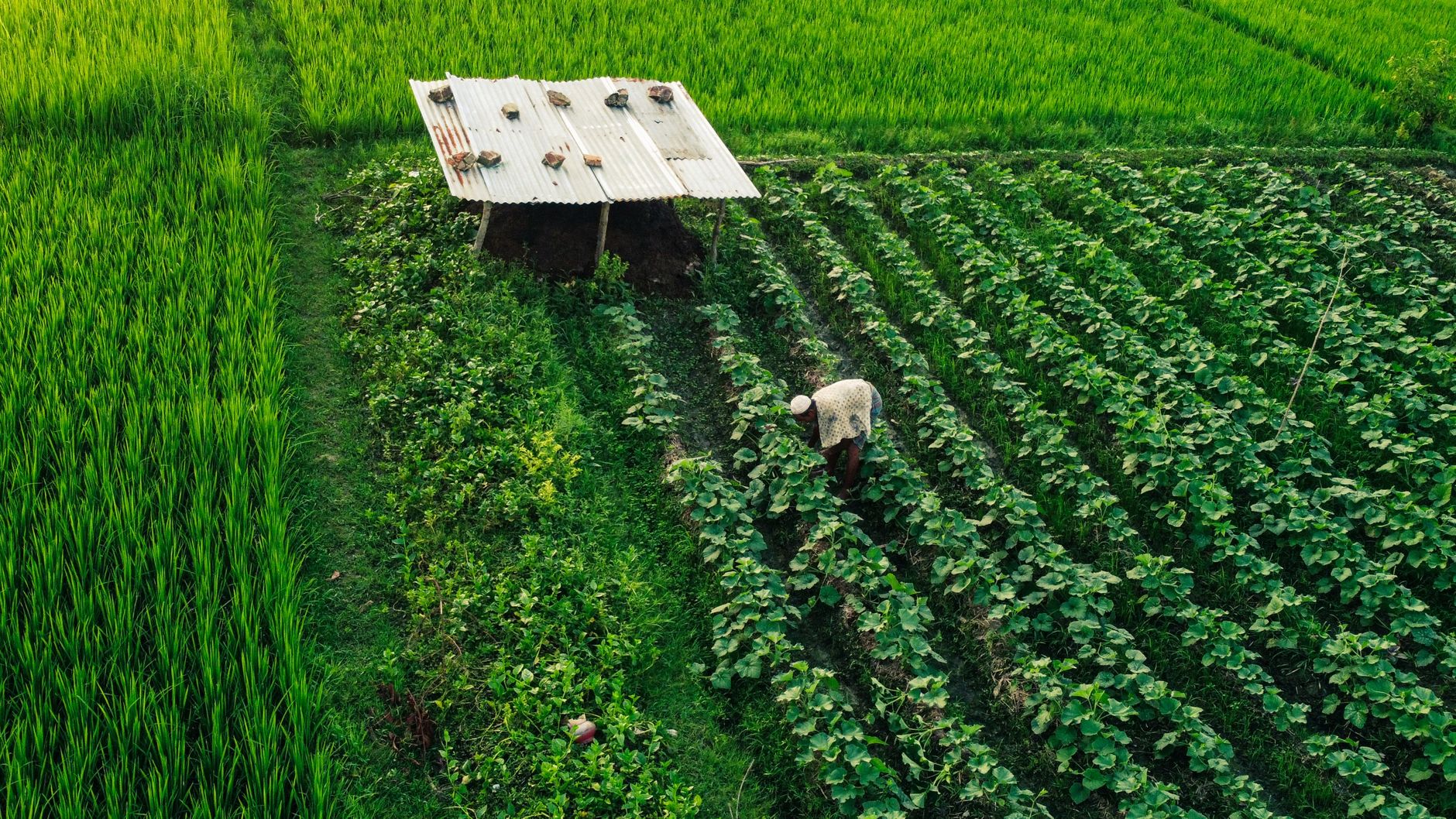
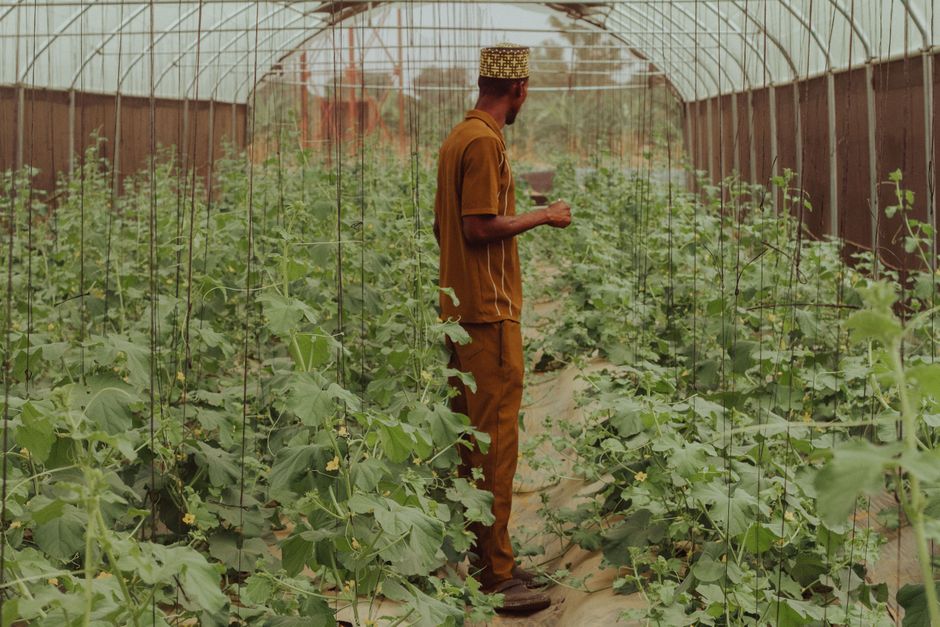

Sustainable practices informing every guide we publish
Nigeria AgroGrow in Context
Agriculture shapes the economic fabric of Nigeria in ways that spreadsheets rarely capture fully. Smallholders managing a few hectares face the same market volatility as large commercial operations, yet rarely have access to the same quality of information.
We built Nigeria AgroGrow to address that gap directly. Our platform brings together consulting expertise, supply chain mapping, and curated market data into one accessible resource for Nigerian agribusinesses at every scale.
Based in Lagos and connected to agricultural networks across the country's major producing zones, we understand the regional variation that makes blanket advice unreliable. What works in the Niger Delta requires different thinking than what works on the Jos Plateau.
Services and Capabilities
Our work spans consulting engagements, published knowledge resources, and logistics planning tools. Each area is developed with the practical realities of Nigerian agricultural markets in mind.
Market Intelligence & Data Insights
Commodity price tracking, demand forecasting context, and regional market analysis for Nigeria's primary crop sectors. We compile data from multiple sources to give agribusinesses a clearer picture of where markets are moving.
Covers maize, cassava, sorghum, rice, yam, and other key crops. Data refreshed on a regular cycle.

Supply Chain Logistics Planning
Distribution route analysis, cold chain considerations, and last-mile delivery frameworks for agricultural produce moving from farm to market. Practical planning resources tailored to Nigeria's infrastructure landscape.
Includes route mapping guides, storage node identification, and transport cost estimation frameworks.
Crop Management Consulting
Modern agronomic techniques adapted for Nigerian soil types, climate zones, and available inputs. We work with both smallholders and commercial farms to develop crop management frameworks suited to their specific conditions.
Covers soil health, input optimization, irrigation planning, and pest management approaches.
Storage Safety Standards
Post-harvest loss is one of the most significant challenges in Nigerian agriculture. Our storage safety publications outline temperature management, humidity control, pest exclusion, and inventory handling protocols for different crop types.
Guides cover grain stores, root crop facilities, and ambient storage for horticultural produce.
Sustainable Farming Practices
Publications and consulting frameworks covering soil conservation, water-efficient irrigation, integrated pest management, and responsible input use. Sustainability here means practical long-term viability, not abstract certification goals.
Resources are structured for both rainfed and irrigated farming systems across Nigeria's ecological zones.
Understanding the Agricultural Landscape
Post-Harvest Loss
A significant portion of harvested produce in Nigeria is lost before it reaches end consumers. This happens at the farm level, during transit, and in storage facilities that lack proper conditions. Understanding where losses occur is the first step toward reducing them. Our storage safety guides address specific loss points across different crop categories.
Topics include aflatoxin prevention in grain storage, ethylene management for perishables, and rodent exclusion in dry stores.
Regional Market Variation
Nigeria's agricultural markets do not behave uniformly. Price signals in Kano differ meaningfully from those in Onitsha or Ibadan. Seasonal rhythms, local demand patterns, and transport connectivity all shape how value moves through the system. Effective planning requires understanding these regional dynamics rather than applying national averages.
Our market intelligence resources map price differentials across major commodity corridors and distribution hubs.
Soil and Water Management
Soil degradation and unreliable rainfall are persistent challenges for Nigerian farmers. Practices like cover cropping, conservation tillage, and efficient irrigation can meaningfully improve soil health and water retention over time. These are not new concepts, but their application within Nigeria's specific soil types and climate zones requires local adaptation.
We publish soil management frameworks for the Sudan Savanna, Guinea Savanna, and Forest-Savanna transition zones.
Distribution Planning Fundamentals
Getting produce from farm gate to market at acceptable cost and condition requires planning that accounts for road quality, vehicle availability, loading practices, and timing. Many Nigerian agribusinesses operate informally in this area, relying on relationships rather than structured logistics frameworks. Introducing basic planning tools can reduce spoilage and improve margin consistency.
Distribution planning resources cover route selection, aggregation point design, and seasonal transport cost management.
Guides, Standards and Reference Materials
Our publication library covers practical topics that Nigerian farmers and agribusiness operators can apply directly. Each guide is developed with field input and reviewed for accuracy against current agronomic knowledge.
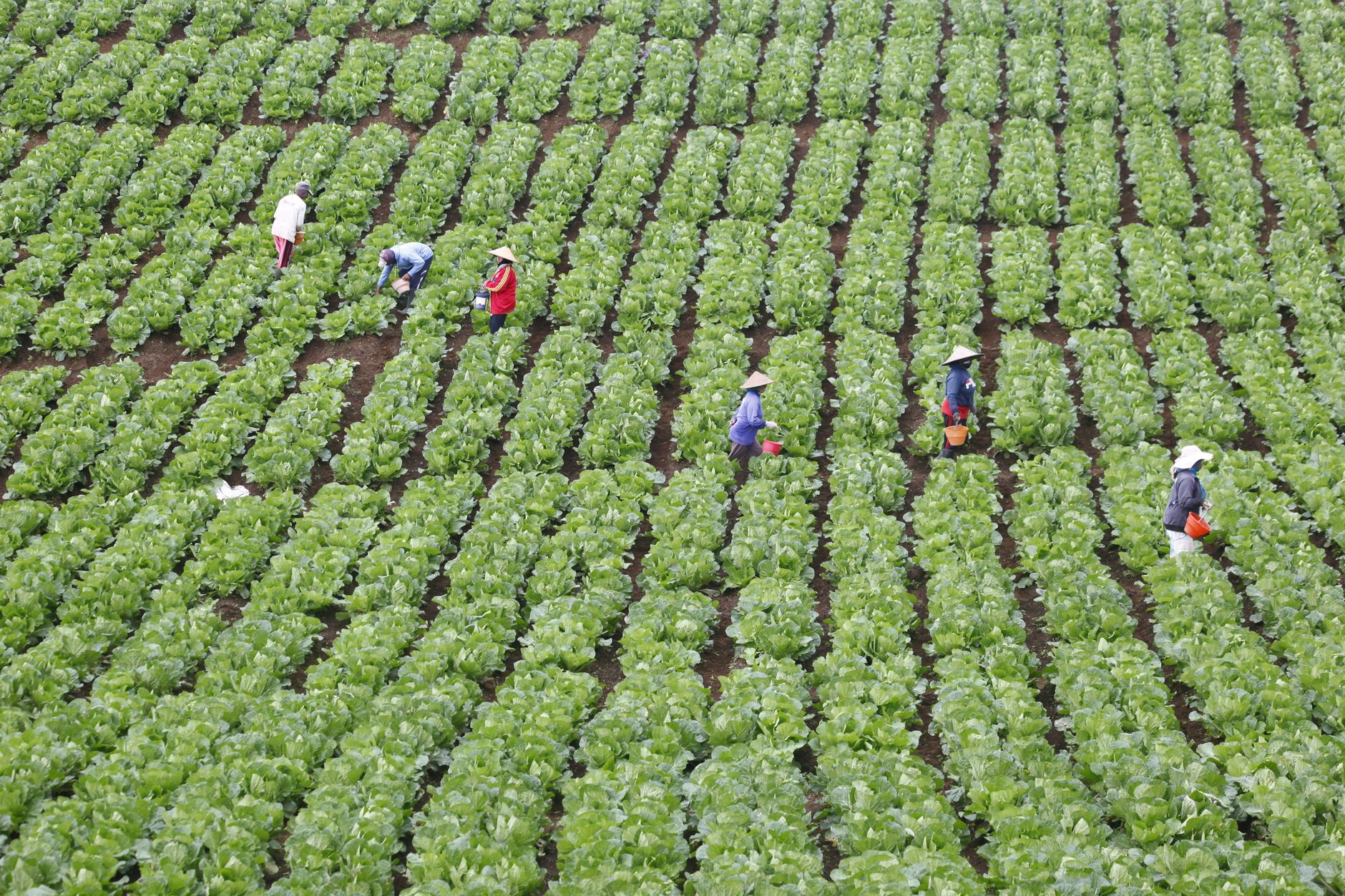
Sustainable Crop Management for Nigerian Conditions
A comprehensive reference covering season planning, input selection, soil preparation, and harvest timing across major Nigerian crops. Written for both smallholders managing limited resources and commercial operations seeking to systematize their agronomic decisions.
Request AccessGrain and Root Crop Storage Standards
Practical protocols for safe storage of maize, sorghum, cassava, and yam. Covers humidity thresholds, ventilation requirements, and inspection schedules.
RequestLocal Distribution Planning Framework
A structured approach to planning produce distribution across Nigerian markets. Includes aggregation point selection, transport mode comparison, and seasonal scheduling guidance.
RequestNigeria Commodity Market Overview
Periodic analysis of price movements, supply patterns, and demand indicators across Nigeria's major commodity markets. Structured for agribusiness planning purposes.
RequestHow We Develop Agricultural Insights
Agricultural knowledge that is useful in Nigeria has to be built from Nigerian data. We do not adapt content developed for East African or South Asian contexts and present it as locally applicable. Our research process begins with direct engagement with farming communities, aggregators, logistics operators, and market traders across different regions.
Data collection happens at multiple levels. We track commodity prices at terminal markets, document storage conditions at aggregation points, and map transport routes against actual infrastructure conditions. This ground-level data feeds into the analysis frameworks and published guides that form the core of our platform.
Consulting engagements follow the same methodology. Before developing any recommendation framework for a client, we gather information specific to their location, crop mix, market access, and resource constraints. Generic advice rarely holds up under the complexity of actual farming conditions.
Data Collection
Field surveys, market monitoring, and supply chain mapping across relevant regions.
Analysis and Synthesis
Cross-referencing field data with agronomic literature and logistics research.
Publication and Application
Structured guides and consulting frameworks developed for practical use.
Review and Update
Periodic review of published materials against new field data and market conditions.
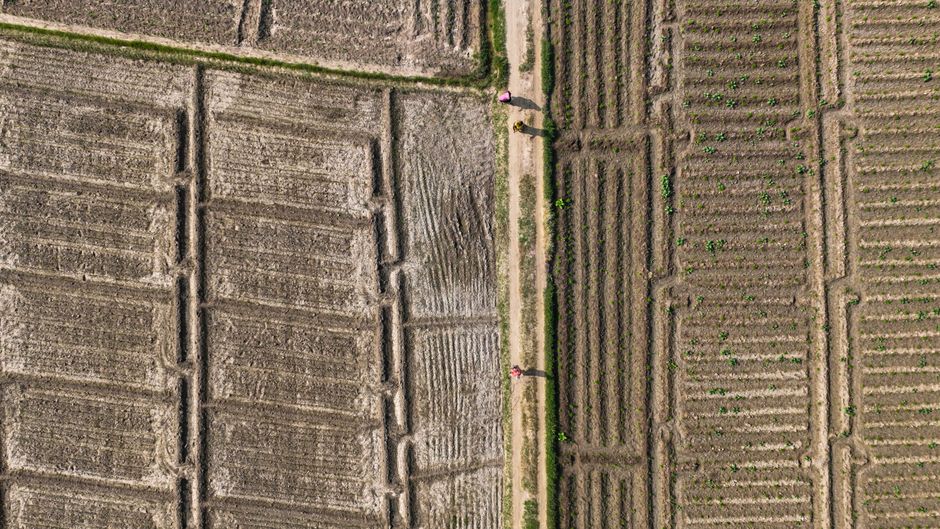

Crops and Agricultural Sectors We Cover
Our resources and consulting work spans Nigeria's most economically significant crop sectors. Each area receives dedicated research attention rather than general coverage.

Cassava
Processing pathways, storage requirements, and market linkage for Nigeria's most widely grown staple.

Maize
Grain quality standards, aflatoxin prevention protocols, and commodity market tracking for maize across Nigeria.
Additional Crops in Our Coverage
- Sorghum and Millet
- Yam and Sweet Potato
- Rice (paddy and processed)
- Tomato and Pepper
- Cowpea and Soybean
Contact Nigeria AgroGrow
Whether you are looking for specific consulting support, want to access our published resources, or have questions about supply chain logistics for your agribusiness, we are available to assist.
Send a Message
We review all messages and respond during business hours, Monday through Friday.